
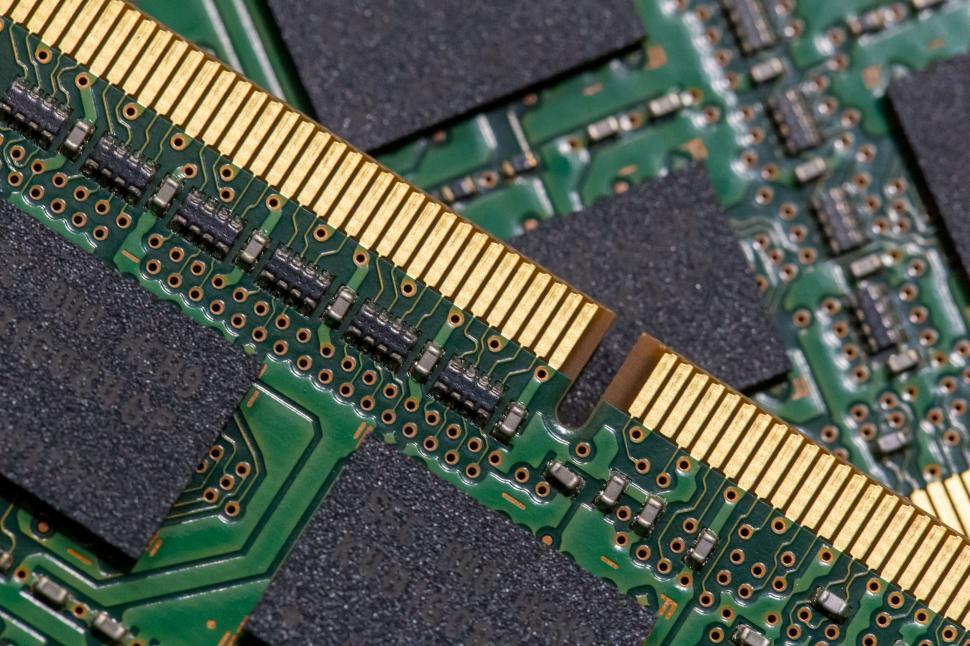
The global RAM shortage is driving a meaningful increase in memory component costs across the electronics industry. Structural shifts in semiconductor manufacturing, capacity allocation, and broader supply chain pressures are pushing pricing upward — and that includes the payment and POS hardware sector.
RAM and memory components are critical to modern POS terminals and payment devices. As memory costs rise, manufacturers face higher production expenses, which can ultimately impact POS terminal pricing throughout the supply chain.
At this time, DCCSupply is not implementing pricing changes. However, the RAM market remains fluid. If memory component costs continue to increase, pricing adjustments across the POS hardware industry may follow.
We are actively monitoring the RAM shortage and staying in close communication with our manufacturing and distribution partners. Our goal is to provide transparency and stability for our customers in an evolving market.
What the RAM Shortage Means for Your POS Equipment Strategy
When memory component pricing increases, companies typically face two options: react after prices rise, or plan ahead.
Purchasing POS terminals now may help protect your business from potential future increases in POS terminal pricing caused by the ongoing RAM shortage.
Even more strategically, placing equipment into DCCSupply’s Personal Inventory Group (PIG) allows you to lock in today’s pricing while maintaining full deployment flexibility.
With a DCCSupply PIG:
- You secure current POS terminal pricing
- Inventory is stored and deployment-ready
- Warranty coverage begins at deployment, not at purchase
That means your equipment is protected when it goes live — not while it sits in storage. You preserve margins, maintain inventory readiness, and reduce exposure to pricing volatility tied to RAM and memory component shortages.
In markets affected by supply chain shifts and RAM shortages, preparation creates stability.
Smart planning beats reactive pricing.